REVIEW · ORLANDO
Titanic : The Artifact Exhibition Ticket in Orlando
Book on Viator →Operated by Titanic The Artifact Exhibition · Bookable on Viator
Titanic history hits you fast in Orlando. With a timed ticket and an inside route built around major ship spaces, this visit moves from re-created scenes to real recovered artifacts quickly and on your schedule. You’ll walk through standout rooms like the Grand Staircase and First-Class spaces, then slow down for the artifact displays that make the story feel personal.
One thing to plan for: it runs cold inside, and it can also feel pricey if you’re expecting a huge museum with endless artifacts. If that sounds like you, bring a layer and set your expectations for a focused, 1–3 hour experience.
In This Review
- Key highlights to focus on
- Titanic: The Artifact Exhibition in Orlando—what you’re really buying
- Your timed entry and how to use it well
- Inside the ship: replica rooms that make the story make sense
- The Grand Staircase replica: your orientation point
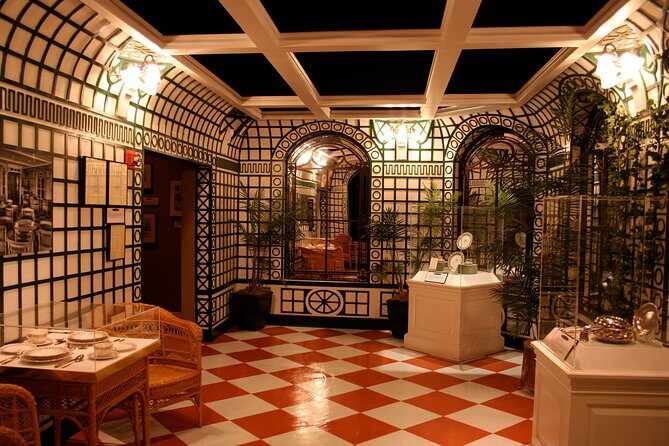
- Promenade and First-Class rooms: comfort with social rules
- Boiler Room: the ship as machinery, not just drama
- The artifact displays: where the impact lands
- The iceberg you can touch: the cold moment that changes the tone
- Movies, actors, and the guided-style touches (even in a self-guided visit)
- Timing inside: plan for 1–3 hours, not one quick pass
- Price and extras: what $34 covers and what costs more
- What I like most about the experience (and who it suits)
- A quick note on cancellation and getting there
- Should you book Titanic: The Artifact Exhibition?
- FAQ
- How long does Titanic: The Artifact Exhibition take?
- Is this a guided tour or self-guided?
- What’s included with the ticket price?
- Can I enter late?
- Are service animals allowed?
- Is there free cancellation?
Key highlights to focus on
- Timed entry on International Drive helps you skip the waiting game and start exploring right away
- Grand Staircase and Promenade re-creations give you instant context for what passengers saw
- 300+ Titanic artifacts recovered from the wreck are the heart of the exhibit
- First-Class Parlor Suite and Boiler Room spaces help show the ship as more than one class of travel
- Touch an iceberg that’s kept as cold as the real thing (yes, it’s chilly)
Titanic: The Artifact Exhibition in Orlando—what you’re really buying
For $34, you’re buying admission to a timed-entry exhibit that’s designed to be self-guided. That matters because you’re not stuck waiting for a crowd to shuffle along. Instead, you get a scheduled entry time, walk at your own speed, and spend about 1–3 hours inside depending on how much you stop to read and look.
The value here isn’t just the Titanic name. It’s the mix of ship-room re-creations plus artifact displays. You’ll get a sense of the ship’s layout—how people moved, how spaces differed by class, and what the ship looked and felt like—then you’ll switch gears to real objects recovered from the wreck. That pairing turns a familiar story into something more tactile.
Also, the experience is small-scale. The attraction lists a maximum of 10 travelers, so you’re less likely to feel like you’re being herded. It’s still popular on International Drive, but the inside experience feels controlled.
And yes, there’s a cold-room moment that people talk about for a reason.
You can also read our reviews of more tours and experiences in Orlando



Your timed entry and how to use it well
Your ticket includes access at a preplanned entry time, so the smartest move is to arrive with a little buffer and get checked in before your slot. The exhibit has last entry 1 hour before closing, so don’t gamble on showing up late, especially if you’re pairing this with other International Drive stops.
If you’re using a phone ticket, keep a screenshot handy. One practical note that pops up in feedback: sometimes mobile tickets don’t scan cleanly, and staff may ask you to use a screenshot and follow up via email. You don’t need to panic—just don’t go in with your battery at 3%.
The exhibit is also English only, so it’s straightforward if you’re traveling with English speakers. If you’re relying on other languages, you’ll want to check on options ahead of time.
Inside the ship: replica rooms that make the story make sense
The exhibit’s main strength is that it doesn’t just show artifacts in a line. It places you inside key ship spaces through re-creations. That approach is what turns reading into “oh, I get it.”
Here are the big rooms you’ll likely notice right away:
The Grand Staircase replica: your orientation point
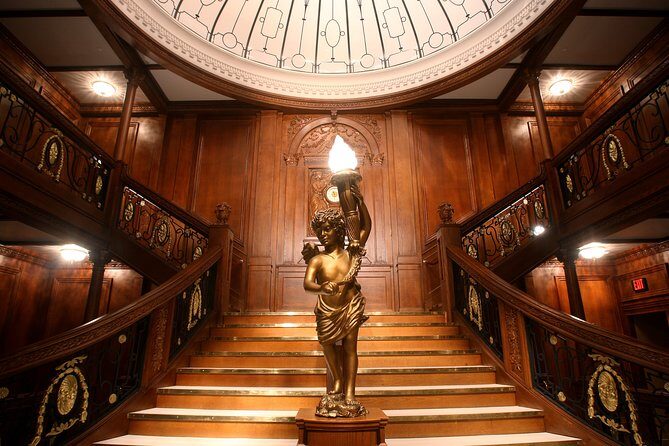
The Grand Staircase is probably the most famous scene in Titanic lore, and this version gives you an immediate “map” of the ship’s public space. Even if you already know the story, it helps you picture how people would gather, move, and react as events unfolded.
People love this area because it’s recognizable fast. It also becomes a natural photo spot, so if you’re photo-focused, you’ll want to tackle it early before the flow of visitors densifies.
Promenade and First-Class rooms: comfort with social rules
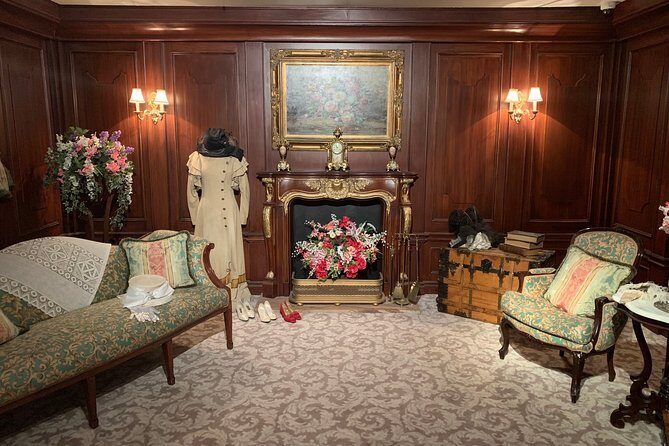
Next, the experience leans into how different parts of the ship functioned socially and practically. You’ll see re-created areas like the Promenade and First-Class Parlor Suite, which help explain why class mattered so much—different spaces, different expectations, and different levels of access.
This isn’t just set dressing. When you read the passenger stories next to these spaces, the ship’s layout starts to feel like it shaped choices and outcomes. That’s a big part of why this exhibition works: it connects objects to human moments.
You can also read our reviews of more museum experiences in Orlando






Boiler Room: the ship as machinery, not just drama
Then you’ll hit the Boiler Room area. It’s a reminder that Titanic was a working engine first. This part helps balance the emotional weight of the story by showing the ship’s industrial reality—crew labor, heat, systems, and the physical demands behind the grandeur.
If you’re a “details person,” this is where you’ll likely slow down more than you expect.
The artifact displays: where the impact lands
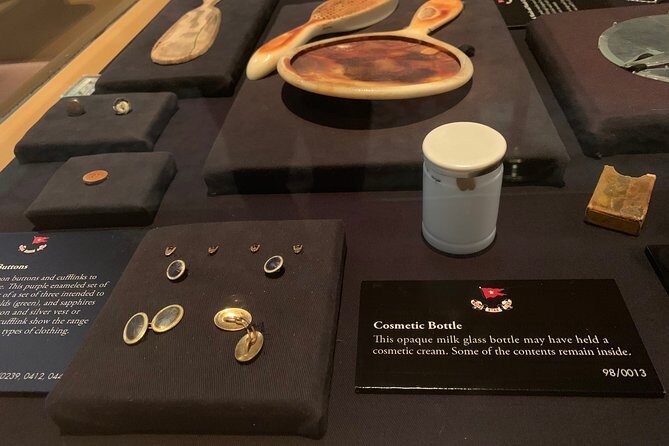
The main exhibit claims more than 300 artifacts recovered from the Titanic wreck site (and it also references hundreds of items across the experience). That’s the heart of the ticket, because the show doesn’t treat artifacts like souvenirs.
You’ll see objects tied to passengers and crew, and the displays are set up to help you relate to people rather than just memorize names. This is where the mood shifts from curiosity to something heavier. It’s not loud or theatrical in every moment—it’s more like, here are real things that survived a real event.
One practical tip: give yourself time here. If you rush through, you miss the “why this object matters” piece. Even if you skim, you’ll still get the gist, but the satisfaction comes from spending a little extra time at the best sections.
Also, preservation drives the temperature indoors. More than one visitor notes it can be very cold inside, and that’s tied to protecting the artifacts. So if you run cold easily, this is not the time for a fashion-light outfit.
The iceberg you can touch: the cold moment that changes the tone
One of the standout activities is the chance to go to the deck area and touch an iceberg kept as cold as the water conditions from 1912. It’s a simple sensory stop, but it lands because it’s physical. You stop reading. You stop imagining. You feel cold metal and cold air.
People describe it as surreal, and that’s the right word. It’s not a theme-park gimmick; it’s a reminder of what made the story’s mechanics so unforgiving.
Wear something comfortable for this part. If you’re already cold from the artifact rooms, you’ll probably appreciate an extra layer here.
Movies, actors, and the guided-style touches (even in a self-guided visit)
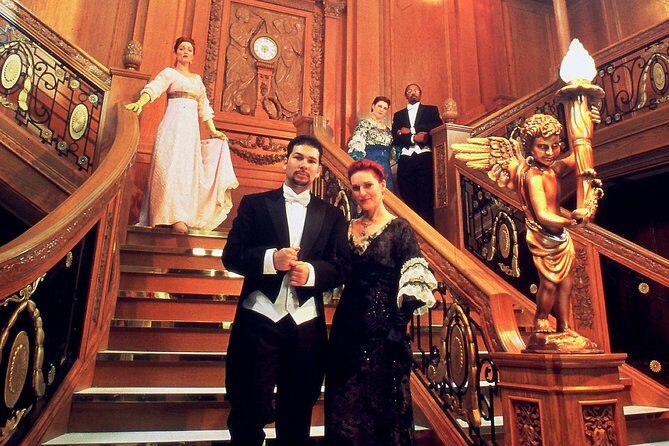
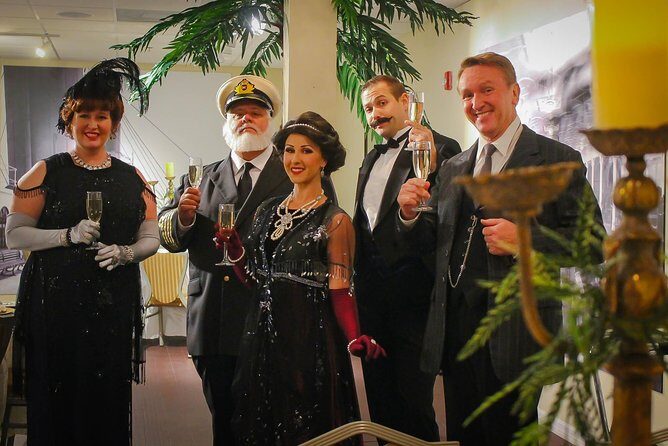
Even though the experience is set up as self-guided, there can be live, human elements that add context. Some visitors mention staff members dressed in period costume and brief interactions that help connect the exhibits to real people. Others mention a guided-style experience with enthusiastic presenters—names like Chris and Linda show up in feedback as guides who bring extra detail.
The key for you: treat these moments as bonus value, not the main product. The ticket should still work if you want to do everything at your own pace. But if you catch an actor-style interaction or a short talk, it can add a layer of storytelling that makes the artifacts feel more grounded.
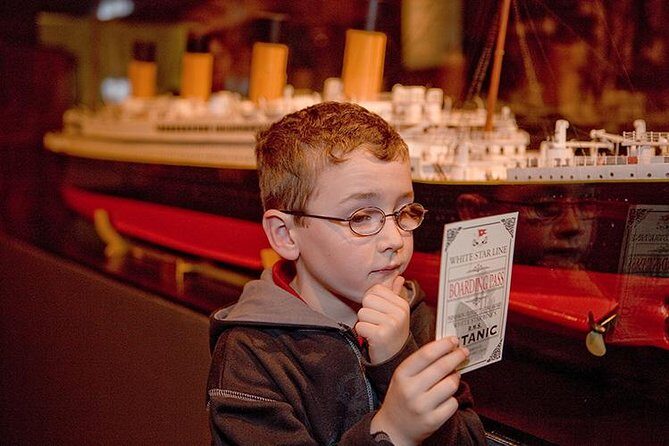
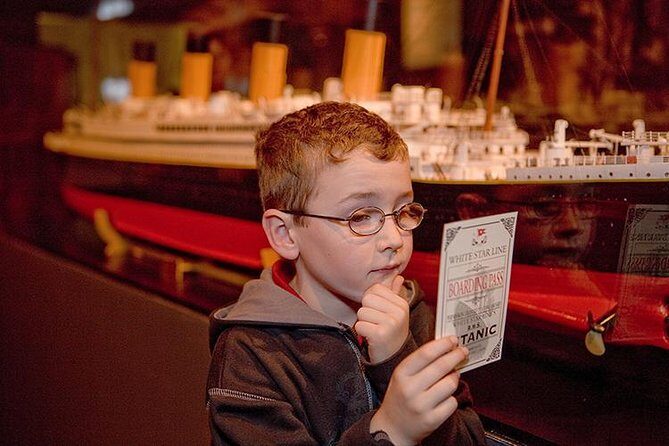
There’s also mention of a boarding-pass-style entry concept and a card that assigns you a passenger identity. If that’s offered during your visit, it’s one of those small touches that turns the exhibit into a “walk-through” of a specific viewpoint.
Timing inside: plan for 1–3 hours, not one quick pass
Most people complete the route in about two hours, though the official estimate is 1–3 hours depending on how fast you read and how often you stop for photos.
Here’s a practical way to plan your time:
- If you’re a fast walker and skim most labels, aim closer to 1–1.5 hours
- If you read passenger notes and want photos in major rooms, budget 1.5–2.5 hours
- If you like history details and take your time with artifacts, go closer to 3 hours
One small warning from lived experience: if it’s your first Titanic exhibit, it’s easy to underestimate how much you’ll want to slow down at the artifact sections. The exhibits are dense enough that your “quick look” turns into a real hour.
Also, remember last entry is 1 hour before closing. If you’re pairing this with other stops, build in time to check the schedule.
Price and extras: what $34 covers and what costs more
The ticket is $34 per person and includes admission (plus taxes, fees, and handling charges). That’s helpful because you can plan without surprise add-ons for basic entry.
What’s not included:
- Souvenir photos, available to purchase
You may also want to budget for snacks and shopping nearby on International Drive, but those are outside the ticket value itself.
The best way to judge whether this is worth it for you: ask what you want from Titanic.
- If you want a focused, memorable exhibit with real artifacts and room re-creations, the price tends to feel fair.
- If you want a giant museum with tons of artifacts on every wall, you might wish there were more.
- If you hate cold interiors, you may feel the trade-off more than you’d like.
What I like most about the experience (and who it suits)
This is a good fit for people who like order and clarity. You’re guided through familiar spaces, then rewarded with artifact displays that feel meaningful. It’s also family-friendly, with feedback highlighting an 8-year-old being amazed.
I also appreciate the “choose your pace” setup. You can skim the story and still leave with understanding. Or you can slow down and build empathy by reading passenger connections.
Where it works best:
- Titanic fans who want a strong artifact component
- Families with kids old enough to enjoy labels and room-to-room exploration
- Couples wanting a thoughtful activity that doesn’t feel like a long lecture
- Anyone who likes sensory moments (yes, even the cold iceberg bit)
Where you might hesitate:
- If cold rooms make you miserable, plan for layers and time
- If you expect a super long museum crawl, this won’t feel endless
- If you want constant live guiding, you’ll still be fine, but much of the experience is self-paced
A quick note on cancellation and getting there
If plans change, the experience allows free cancellation up to 24 hours in advance for a full refund. And the location is near public transportation, which is handy if you’d rather not rely on a car for International Drive.
That’s all you really need to know to keep your plans flexible.
Should you book Titanic: The Artifact Exhibition?
Book it if you want a timed, self-guided visit that combines room re-creations, real recovered artifacts, and a rare hands-on moment with the iceberg. The experience is short enough to fit between other Orlando plans, but structured enough that it doesn’t feel like a random walk-through.
Skip it (or at least think hard before paying) if you want a very large, artifact-heavy museum experience or if you’re sensitive to cold interiors. With a sweater and realistic expectations, though, this is one of the more satisfying Titanic-focused stops on International Drive.
FAQ
How long does Titanic: The Artifact Exhibition take?
The ticket experience is estimated at about 1 to 3 hours, depending on how quickly you explore.
Is this a guided tour or self-guided?
Your admission gives you access to the exhibit at your entry time, and it’s set up for you to explore at your own pace.
What’s included with the ticket price?
Your ticket includes admission and all taxes, fees, and handling charges. Souvenir photos are not included.
Can I enter late?
You can enter at your planned time, and the last entry is 1 hour before closing time.
Are service animals allowed?
Yes, service animals are allowed.
Is there free cancellation?
Yes. You can cancel up to 24 hours before the experience for a full refund.