REVIEW · ORLANDO
Orlando: Titanic Artifact Exhibition Ticket
Book on GetYourGuide →Operated by Gray Line of Orlando - Gator Tours · Bookable on GetYourGuide
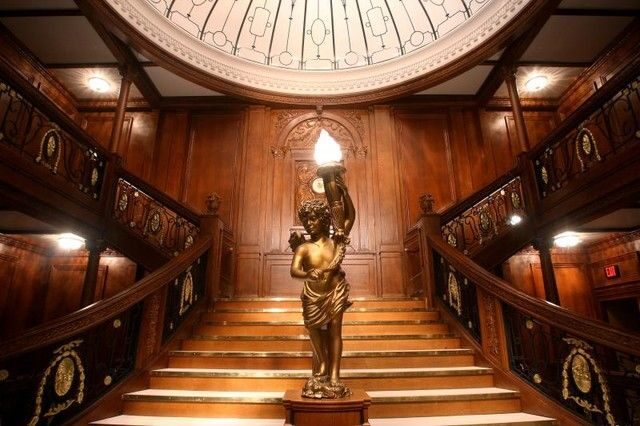
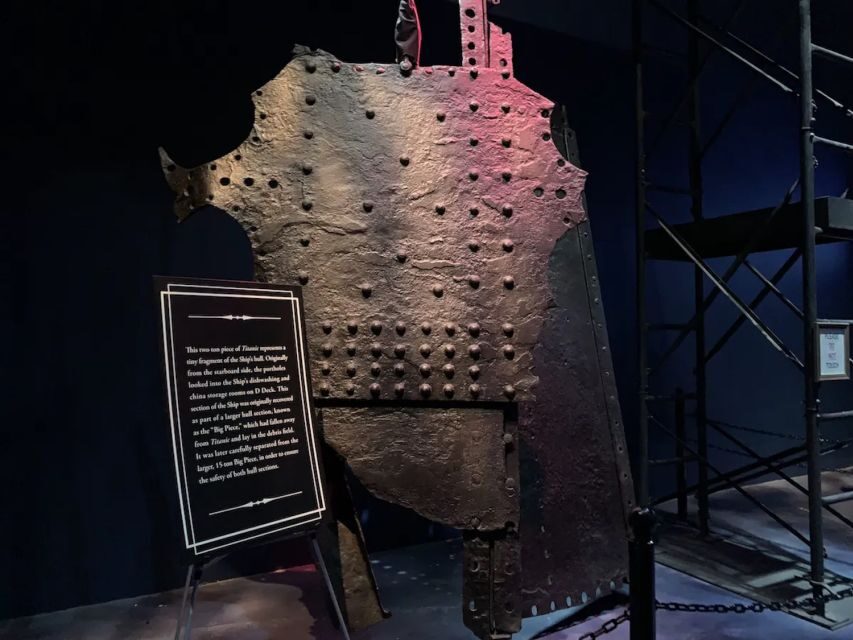
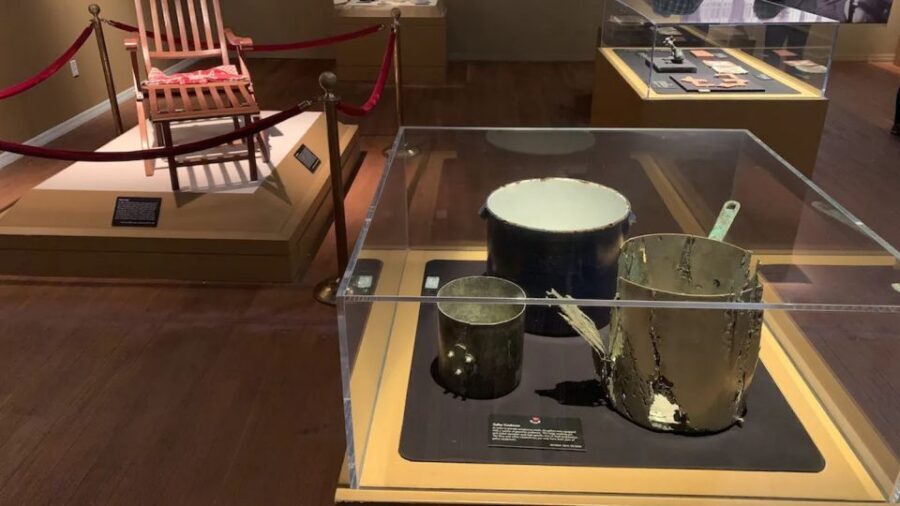
Cold air, big history, and real artifacts. This Titanic Artifact Exhibition in Orlando turns a museum visit into a time-machine stop: you walk through full-scale recreations like the Grand Staircase and the First-Class Suite, and you even get the chance to touch an iceberg-temperature replica. I also like the chance to see the museum’s centerpiece, the “Little Big Piece,” a 2-ton section of the ship’s hull, alongside well over 300 artifacts. One consideration: you can’t bring cameras, food, or large bags, and mobile phones must be turned off inside, so plan on going fully present and hands-free.
I like that the experience doesn’t just show objects. It frames the ship through the lives of passengers and crew, with an effect that can feel solemn and oddly personal. On the practical side, the building can run very cold, so bring a layer even if Orlando outside feels warm.
In This Review
- Key Highlights You Should Plan Around
- Titanic Artifact Exhibition Orlando: what you’re paying for
- Getting there on International Drive (and how to plan your day)
- Inside the 17 galleries: recreations that help you understand the ship
- The cold, the touch, and the “Little Big Piece” moment
- Passenger and crew stories: why the pacing feels personal
- Rules that shape your visit: phones off, no photos, no food
- Is this a good fit for kids and families?
- Staff, presentation style, and what to expect from the human side
- Gift shop and souvenirs: plan where your money goes
- Should you book the Titanic Artifact Exhibition in Orlando?
- FAQ
- What is the price per person?
- How long does the experience last?
- Where do I redeem my voucher?
- Are cameras or photography allowed inside?
- Can I bring food, drinks, or luggage?
- Do I need to turn off my phone?
- Is transportation or meals included with the ticket?
Key Highlights You Should Plan Around
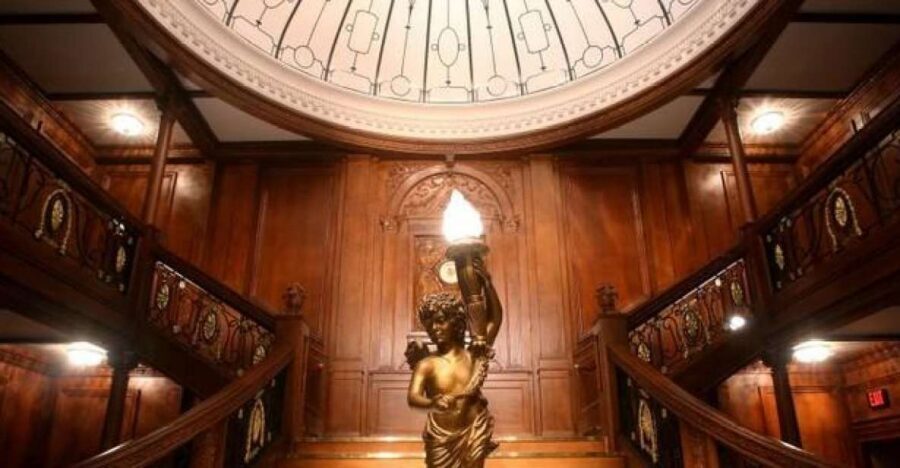
- 17 galleries in a 20,000-square-foot interactive museum you can move through in a relaxed, gallery-by-gallery way
- Grand Staircase and First-Class Suite recreations that help you understand how people actually moved through the ship
- Promenade Deck moments where you can look out and feel the cold-air effect tied to the Atlantic night
- The “Little Big Piece”: a 2-ton hull section and one of the biggest, most memorable hands-on features
- Touchable, real-feeling details like an iceberg replica at the same temperature as the fateful waters
- Strict rules: no cameras/photography, no food or drinks inside, no luggage or large bags
Titanic Artifact Exhibition Orlando: what you’re paying for
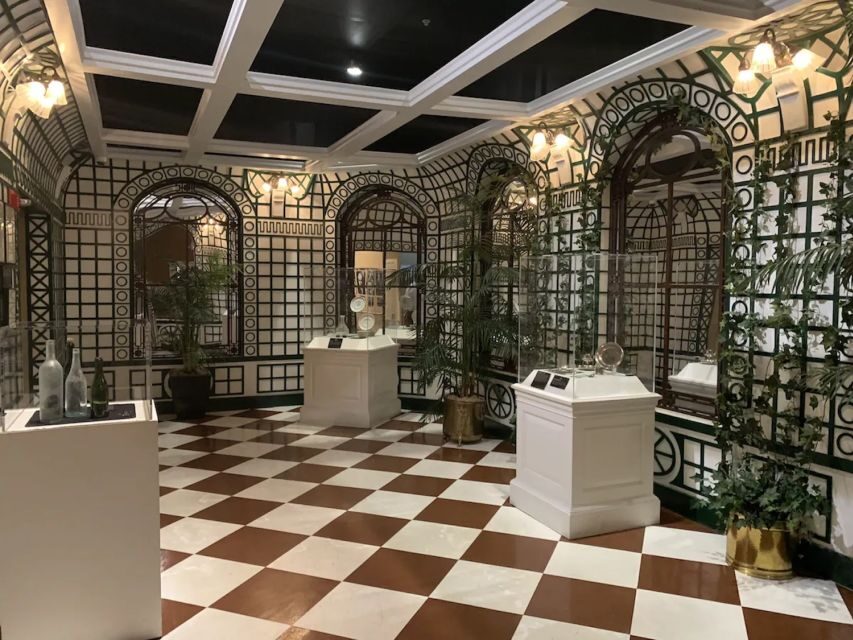
At $36 per person for a 1-day ticket, the value comes from what’s included: entry to an interactive museum built around real Titanic artifacts and full-size room recreations, not just wall displays. You’re paying for access to 17 galleries spread across 20,000 square feet, plus the chance to spend time with artifacts that are meant to connect you to individual stories.
The standout value is the hands-on element. Many history museums show you objects. This one also lets you physically experience the cold and the scale—especially with the hull section (“Little Big Piece”) and the iceberg replica. That’s the kind of detail that sticks long after you walk out the door.
The other reason the ticket feels fair is the museum’s storytelling focus. It’s not only about “the ship” as a concept. It’s built to tell the stories of real people with real items tied to the tragedy.
You can also read our reviews of more tours and experiences in Orlando



Getting there on International Drive (and how to plan your day)
This exhibition’s meeting point is at 7324 International Dr, Orlando, FL 32819, USA. Plan to redeem your voucher at the admission box office there.
Because transportation and meals aren’t included, I suggest you treat this as a self-contained museum block. Drive or use local transit you’re comfortable with, then eat before you go or afterward nearby. The museum rules don’t allow food or drinks inside, so there’s no “snack-and-stay” strategy once you’re inside.
Timing-wise, your ticket is valid for 1 day, and starting times depend on availability. If you’re pairing it with other Orlando stops, I’d schedule this early-ish in the day. You’ll be less rushed and more likely to enjoy the slower, story-focused sections.
Inside the 17 galleries: recreations that help you understand the ship

Once inside, what hits first is how much effort goes into making spaces feel like spaces, not just diagrams. The exhibition features full-scale room recreations, including the Grand Staircase, the First-Class Suite, and the Promenade Deck. You’re walking through layouts that are designed to explain ship life—where people went, how they moved, and what “comfort” really meant on an ocean liner.
This matters because Titanic stories can become abstract fast. But when you stand in a recreated environment, you start noticing details that connect emotion to logistics: sightlines, movement routes, and the physical scale of communal areas versus private spaces.
One tip for enjoying it: don’t speed through the first room recreation just to “get to the artifacts.” Spend extra time where the exhibition is most room-like. That’s where your brain stops treating it like a documentary and starts treating it like a place.
The cold, the touch, and the “Little Big Piece” moment
The museum’s most memorable features are tied to touch and temperature.
You can encounter a recreated iceberg-temperature section where you’re able to touch an iceberg replica. Reviews describe the chilling effect as real enough to make the story land in your body, not just your head. If you’re going on a warm Florida day, this is one of those rare times where you should dress for the inside, not the outside.
Then there’s the museum’s major artifact: “Little Big Piece,” described as a 2-ton section of the Titanic hull and one of the largest recovered artifacts ever shown in this kind of setting. Even if you’re not a “Titanic person,” the scale is the point. A heavy hull section makes history feel less like a headline and more like physical consequence.
If you want the best experience, linger at these touchpoints instead of treating them like a quick photo stop (and you can’t photograph inside anyway). The museum’s rules force you to slow down, which is exactly when these moments work.
Passenger and crew stories: why the pacing feels personal
The exhibition is designed around people, not just ship parts. It’s built to tell the stories of real passengers and crew, and it uses the galleries to connect artifacts to lives: what people carried, what they experienced, and what their choices and situations meant in those final hours.
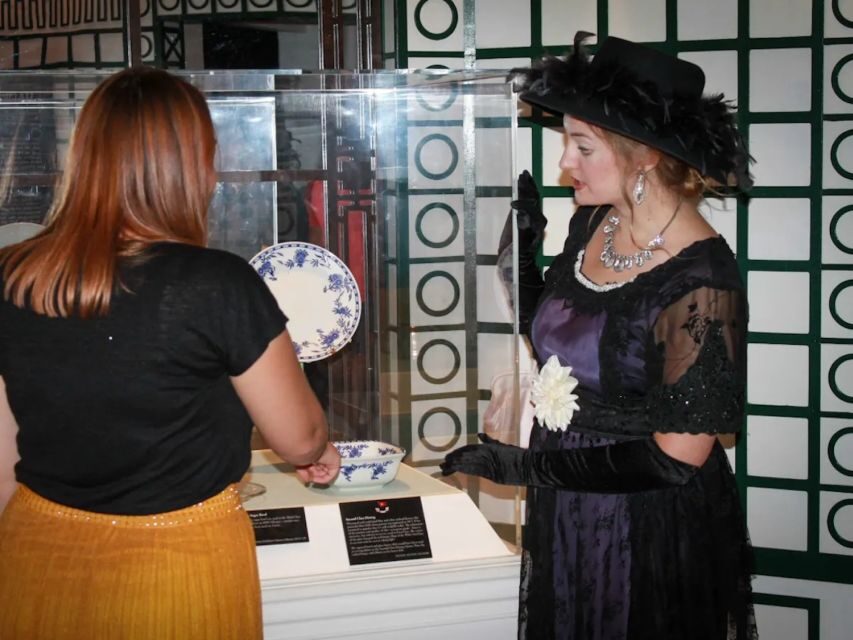
Some of the emotional power comes from how the experience is presented. A couple of accounts mention performers or actors portraying Titanic characters, which can add a living quality to the historical narrative. That theatrical touch can be comforting if you like stories told in scenes, but it can also steer the museum toward solemn reflection rather than light entertainment.
So go in knowing you’re stepping into a tragedy-focused exhibition. Expect respect, not a theme-park vibe—even though the way it’s staged can feel engaging and even fun in places.
You can also read our reviews of more museum experiences in Orlando






Rules that shape your visit: phones off, no photos, no food
This is one attraction where the rules directly affect your mood.
- No cameras or photography inside. That means the museum experience is meant to be remembered, not captured. If you’re the type who documents every moment, adjust your expectations before you arrive.
- Mobile phones must be turned off inside the exhibition. Not just silent—off. I recommend storing your phone in your bag or keeping it out of sight during gallery time.
- No food and drinks, and no luggage or large bags. This is important for comfort. If you’re traveling with a backpack or day bag, plan ahead for what you’ll keep with you. Also plan your meal timing outside the museum.
Finally, the inside can feel very cold. A light jacket isn’t optional—it’s smart. Your memory of this place will likely include the cold-air effect and the temperature experience, and dressing accordingly helps you enjoy it rather than just endure it.
Is this a good fit for kids and families?
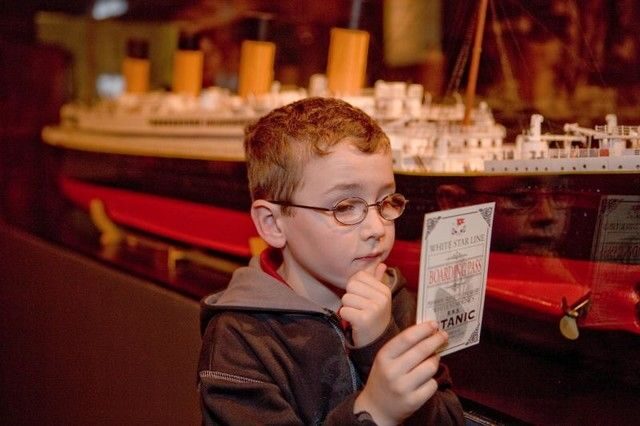
This museum can be great for families, but it’s not built as a kid-only playground.
Some visitors say it isn’t for all young children—mainly because it’s serious subject matter and the rules (no food, no photography, phones off) reduce the usual distractions. If you’re bringing younger kids, I’d read the room quickly. If they’re curious about artifacts and ship history, it may work well. If they need constant “fun breaks,” you might find the pacing slower than they prefer.
For older kids, teens, and adults—especially anyone interested in ship history, the Titanic story, or museums that use full-scale reconstructions—this is a strong pick.
Staff, presentation style, and what to expect from the human side
One of the most praised parts is how staff interact with questions. People describe employees as eager to answer questions and clear in explaining what you’re seeing. That matters here, because Titanic details can be dense. If you like asking why a room is arranged a certain way or what an object represents, you’ll likely get more out of the experience.
A few notes to keep expectations realistic: there’s at least one hint that not all staff appear in period attire as some might expect. So don’t bank on fully dressed costumed guides. The overall presentation is still strongly staged, but you should treat it as a museum-first experience.
If you enjoy guided energy but prefer to explore at your own pace, this works because you’re not locked into one single route. You get the benefit of staff support while you still control your timing.
Gift shop and souvenirs: plan where your money goes
There is a gift shop on site, and it’s part of the overall “take something home” experience. Since you can’t bring food or take photos inside, souvenirs and printed materials can become your main tangible memory.
If you like to budget, I suggest setting a souvenir amount before you enter. It’s easy to overspend when something is tied to a story you care about.
Should you book the Titanic Artifact Exhibition in Orlando?
Book it if you want a Titanic visit that’s more than a movie rehash. This exhibition is built around 300+ artifacts, 17 galleries, full-scale room recreations, and two of the most memorable hands-on elements in any Titanic stop: touching the cold and seeing the hull section called “Little Big Piece.”
Skip it or reconsider if photography and constant phone use are non-negotiable for you, or if you prefer lighter, entertainment-first attractions. The rules are strict, the tone is solemn, and the cold inside is real.
My practical call: if you’re even moderately interested in Titanic history, this is a high-value museum day on International Drive. Just dress warm, leave time to linger, and enjoy the fact that you’re not being asked to rush.
FAQ
What is the price per person?
The ticket price is listed at $36 per person.
How long does the experience last?
It’s listed as a 1-day activity, with entry tied to available starting times.
Where do I redeem my voucher?
Redeem your voucher at the admission box office at 7324 International Dr, Orlando, FL 32819, USA.
Are cameras or photography allowed inside?
No. Cameras and photography inside are not allowed.
Can I bring food, drinks, or luggage?
No food and drinks are allowed, and luggage or large bags are not allowed inside. Pets are also not allowed (assistance dogs are allowed).
Do I need to turn off my phone?
Yes. Mobile phones must be turned off inside the exhibition.
Is transportation or meals included with the ticket?
No. Transportation to and from the exhibition and meals and beverages are not included with admission.