REVIEW · ORLANDO
Downtown Sanford Historical Tour
Book on Viator →Operated by Sanford Tours & Experiences · Bookable on Viator
Downtown Sanford has stories you can almost hear. This 1 hour 30 minute walk through historic streets focuses on architecture going back to the 1883 era, with a guide who connects the buildings to daily life in town. I really like the small-group format (up to 15 people) because questions feel easy, and I also like the use of a guide tablet with photos that show what buildings looked like before. The main drawback to plan for is that it’s more standing than fast walking, so comfortable shoes matter.
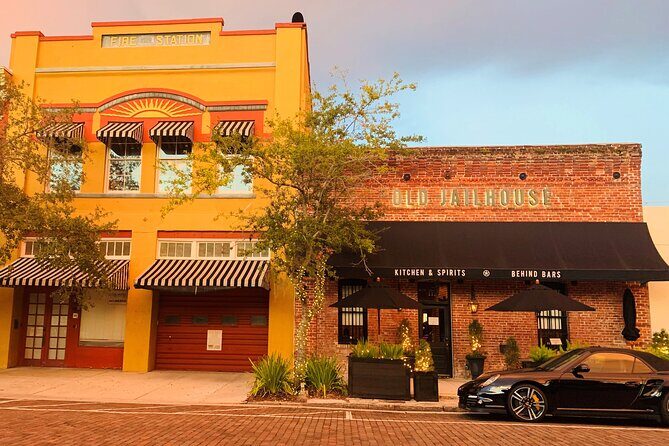
One detail that makes this tour feel personal is how it mixes old structures with modern Sanford culture. You’ll pass major landmarks along the way—like the Old Firestation and Old Jail House—and you’ll get story-led context rather than a simple point-and-photo stop. If you’re lucky (and it depends on the day), you may also see how local community members keep the downtown story alive, including spontaneous access to places that are normally closed.
In This Review
- Key points before you go
- Downtown Sanford Historical Tour: the point of this walk
- Meeting at 230 E 1st St and how the timing works
- Small-group size up to 15 people: why it changes the whole experience
- Stop-by-stop: Historic Downtown Sanford and what each landmark adds
- Sanford Information Center: learning your way while you learn the town
- Old Firestation: public service turned into street-level history
- Old Jail House: why civic buildings tell the truth about an era
- Wayne Densch Performing Art Center: the performance venue surprise
- PICO Building and the rest: reading downtown’s mix of functions
- The guide tablet with before-and-after photos: how it helps you see change
- When community doors open: what to watch for on the day
- What this tour is like for families and first-timers
- Price and value: is $25 worth it?
- Weather, comfort, and how to prepare like a local
- Who should book this tour, and who might skip it
- Should you book the Downtown Sanford Historical Tour?
- FAQ
- How long is the Downtown Sanford Historical Tour?
- Where does the tour start?
- What time does the tour start?
- How much does the tour cost?
- How big is the group?
- Is this tour offered in English?
- Can I get a refund if I cancel?
Key points before you go
- Max 15 travelers keeps the pace human and the Q&A real.
- Photo tablet stops help you compare buildings then and now.
- Architecture focus starts around the 1883 period and moves street by street.
- Multiple downtown landmarks are covered in one walk: from civic buildings to performance venues.
- Local-culture angle goes beyond dates and names.
- Community access moments can happen, especially around notable downtown sites.
Downtown Sanford Historical Tour: the point of this walk
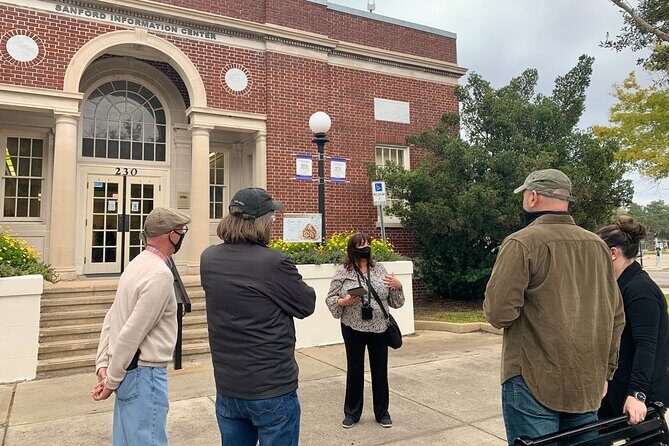
This isn’t a long, tiring march through a giant area. It’s a short, guided walking tour built for attention: you stay in the downtown core and let the guide connect what you’re seeing to what Sanford was doing across different eras. You’re not just collecting facts. You’re learning how a town’s public buildings, meeting halls, and performance spaces shape its identity.
The tour is priced at $25 per person, and the value mostly comes from the format. In 90 minutes, you cover several named sites and you get a live narrator who can answer follow-ups on the spot. With a group size limited to 15, you also get a better chance of hearing the details clearly rather than playing tour “catch-up.”
The best part for me as a planner is that you’re not stuck guessing what matters. The tour is structured around specific downtown stops, and the guide keeps things moving while also making room for questions.
You can also read our reviews of more historical tours in Orlando


Meeting at 230 E 1st St and how the timing works
You start at 230 E 1st St, Sanford, FL 32771. The tour begins at 10:30 am, and it ends back at the meeting point, so there’s no need to figure out a second drop-off later. The activity runs about 1 hour 30 minutes in total, so it fits nicely into a day where you might also want to explore nearby on your own.
Because it’s a walking tour with frequent stopping, I’d treat the schedule like this: expect a lot of time paused for explanations, not just time spent in motion. That aligns with what people note after the tour—more standing than marching—which is exactly why you should wear shoes you can stand in comfortably for a while.
Small-group size up to 15 people: why it changes the whole experience
A maximum of 15 travelers sounds like a marketing detail until you feel the difference. Here, it means the guide can actually track who’s listening, who has questions, and when to slow down for the group. It also makes it easier to pivot when something unexpected happens nearby.
That matters because this tour can include spontaneous moments from locals. In one account, a theater building wasn’t accessible at the usual time due to a festival situation, yet a community member opened it for the group so they could see inside and hear a story related to the theater’s lore. In another moment, members of a Masonic Lodge invited the group inside when the walk brought them close. These aren’t things you should count on every day, but the small-group size increases your chances of being noticed and included when doors open.
Stop-by-stop: Historic Downtown Sanford and what each landmark adds
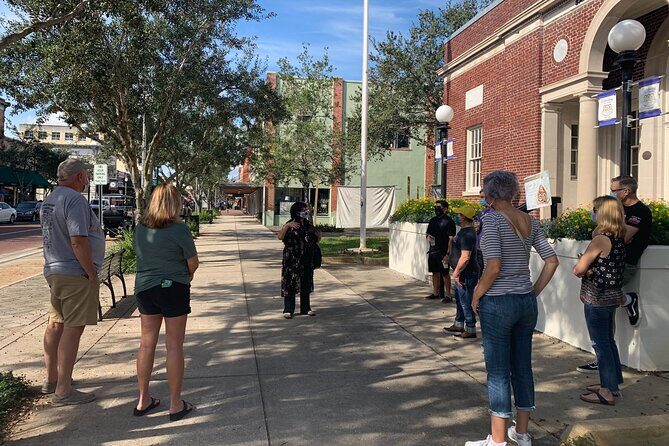
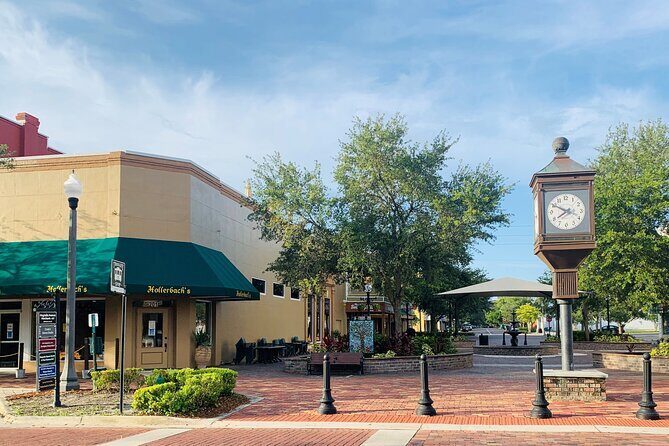
The heart of the tour is a guided walk through Historic Downtown Sanford, with stops focused on architecture styles dating back to 1883. The guide’s job is to help you read the downtown streets like a timeline: civic needs, public services, entertainment, and community institutions all show up in the buildings’ purpose and design.
Within the overall route, these are the named places you can expect to encounter along the way:
- Sanford Information Center
- Old Firestation
- Old Jail House
- Wayne Densch Performing Art Center
- PICO Building
- and additional downtown sights
Rather than treating each stop as a photo-op, the guide connects what you see outside to what it meant for Sanford.
Sanford Information Center: learning your way while you learn the town
This kind of start point is smart because it frames everything else you’ll see. A visitor info location isn’t just practical for travelers—it’s also a reminder that towns shape themselves around storytelling and wayfinding. You’ll get the sense of where Sanford wants newcomers to orient themselves, and that makes the rest of the downtown walk easier to follow.






Old Firestation: public service turned into street-level history
The Old Firestation is one of those buildings that makes a town feel real. You’re not looking at an abstract “old building.” You’re seeing a structure tied to safety and response—part of how daily life worked. The guide will help you notice exterior architectural cues and connect them to how the town operated in earlier decades.
A practical takeaway: when a tour includes buildings like this, it helps you understand why architecture exists at all. These are not just pretty facades; they’re evidence of priorities.
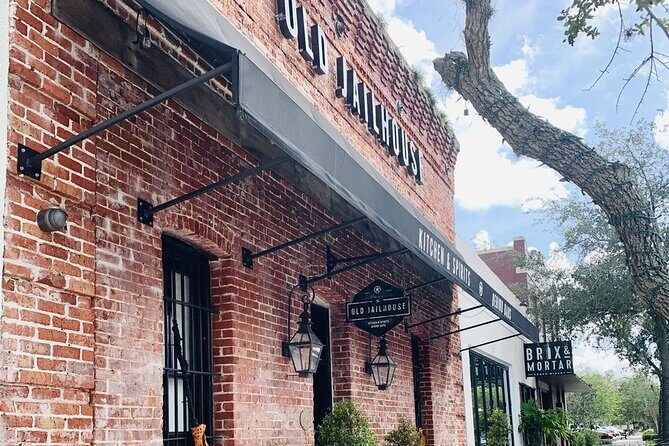
Old Jail House: why civic buildings tell the truth about an era
A jail house can feel heavy, but that’s also why it’s valuable on this kind of walk. This stop turns the downtown story from general to specific. You’ll learn how civic institutions shaped community life, and you’ll likely hear details about what the space was used for and why it mattered.
Even if you don’t love history tours in general, this is the kind of stop that keeps your attention because it’s easy to imagine how the town would have functioned around law and order.
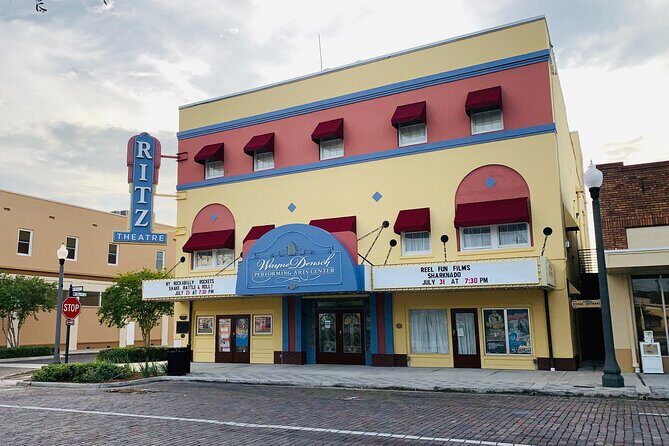
Wayne Densch Performing Art Center: the performance venue surprise
This is one of the most intriguing sites on the route because it represents downtown culture, not just government and industry. The tour is designed to include it, and on some days, it can even lead to an unexpected inside look if circumstances allow.
One account described a day when the building was closed due to a town festival, and then a community member stepped in to open it anyway. That’s the kind of moment you can only get on a guided, small-group format. It’s also a reminder: if a venue is closed, the guide is still there to steer you toward the story behind it rather than leaving you with a blank wall.
PICO Building and the rest: reading downtown’s mix of functions
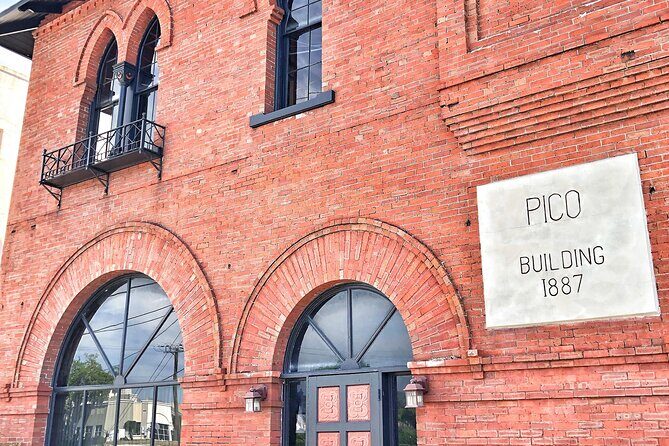
The PICO Building rounds out the walk by adding another layer of what downtown held—places where business, organization, and civic life overlapped. The point here isn’t to memorize every label. It’s to see that downtown isn’t one theme. It’s a cluster of needs, and the buildings reflect those needs.
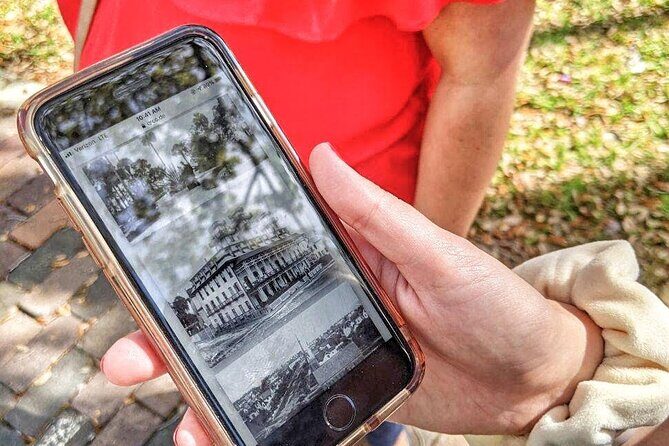
That’s where the guide’s tablet comes in, too, because it helps you see how the streets changed over time and how renovation or reuse can keep a place meaningful.
The guide tablet with before-and-after photos: how it helps you see change
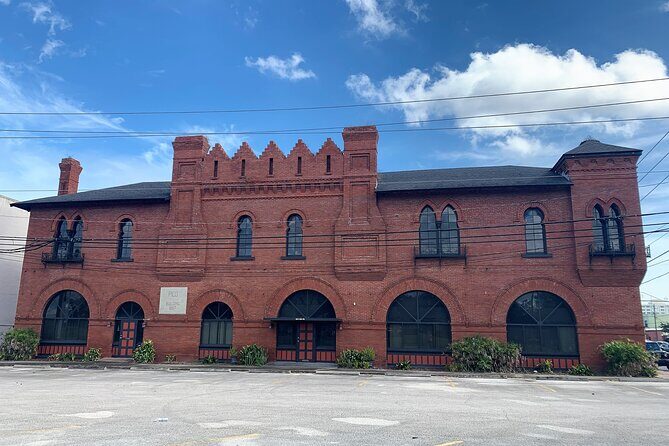
A standout feature described from the tour experience is the guide tablet used to show photos of buildings before. That turns the walk into something more visual than lecture-style storytelling.
Here’s why that matters for you:
- When you see a current exterior and a past image side by side, you stop guessing.
- You understand what changed (and what didn’t) without needing to do research later.
- It makes the history feel concrete, not vague.
If you care about architecture or simply want a clearer sense of what “old” means in real life, this photo-based approach is one of the most useful parts of the tour.
When community doors open: what to watch for on the day
Some tours keep everything behind the scenes. This one can bring you closer to how locals treat downtown spaces. The accounts you’ll hear around the tour point to a theme: when you’re physically near a place people care about, they sometimes respond.
Two examples that show how this can play out:
- A performance venue connected to local events may be inaccessible normally, yet community members may still make time to show you inside.
- A lodge building may become accessible when members invite you in.
You shouldn’t plan your whole day expecting that kind of access every time. But you can plan for a better-than-average chance of it happening, because the group stays small and the guide is paying attention to what’s possible in the moment.
My practical advice: keep your schedule flexible. If you’re in town on a day with downtown events, this is exactly the kind of tour that can benefit from that energy.
What this tour is like for families and first-timers
If you’re bringing kids, you’ll likely appreciate the pace and the structure. This isn’t a marathon, and the guide’s details about each stop help children connect names to real places. One family described coming for the tour with two children and finding the guide, Nancy, very knowledgeable and detailed—so if you get Nancy, you can expect a lot of point-by-point storytelling.
Also, for first-timers in Sanford, the walk works as a starter map. Even if you’re not a big history person, you’ll leave knowing where key landmarks sit and how the downtown area fits together. That makes later self-guided exploring easier.
Price and value: is $25 worth it?
At $25 per person for about 1.5 hours, the price makes sense when you look at what’s included: guided explanations, a walking route built around multiple named sites, and the built-in visual support of the guide’s photo tablet.
The real value is that you get three things in one package:
- A route through meaningful buildings
- A local narrative that explains how the pieces fit
- A small-group setting that keeps the experience interactive
If you’re the type who enjoys seeing how towns evolved—especially through architecture—this is a fair deal. If you only want to stroll without stopping, you might find the time feels busy, because the tour is designed to pause and talk.
Weather, comfort, and how to prepare like a local
This tour works best with good weather. If conditions are poor, it can be canceled and you’ll be offered another date or a full refund. Since you spend a lot of time standing, plan for Florida conditions accordingly: dress for the day’s heat or breeze and wear shoes that don’t punish your feet after 90 minutes.
I also suggest you keep a small buffer in your schedule. Even though the tour ends back at the meeting point, your afternoon plans will feel less stressful if you don’t stack something demanding right after.
Who should book this tour, and who might skip it
Book this if you want a guided way to understand Sanford’s downtown through real buildings and story-led explanations. It’s especially good for:
- first-timers who want an orientation to downtown Sanford
- families who do better with interactive guides than self-guided plaques
- architecture fans who like seeing what changed through old and new photos
- travelers who prefer small-group experiences
Consider skipping if you strongly dislike standing for long periods or if you’re looking for a high-speed walking tour with minimal stopping. This one is built for time at each stop—because that’s how the guide can tell the stories.
Should you book the Downtown Sanford Historical Tour?
I think it’s a smart booking when you want more than a casual stroll. The small-group cap of 15, the specific downtown landmarks covered, and the guide’s use of before-and-after photos all point to an experience that’s more guided and more visual than the typical “walk and listen” tour.
If you’re in Sanford around late morning and you like history that explains how a town actually works day to day, book it. And if you’re going with kids, this is a good match because the pace and story details help keep attention.
If you’re only in town briefly, this is also a fast way to learn where the important downtown sites are—so you can enjoy the rest of your day with better bearings.
FAQ
How long is the Downtown Sanford Historical Tour?
The tour lasts about 1 hour 30 minutes.
Where does the tour start?
The meeting point is 230 E 1st St, Sanford, FL 32771, USA.
What time does the tour start?
The start time is 10:30 am.
How much does the tour cost?
It costs $25.00 per person.
How big is the group?
The tour has a maximum of 15 travelers.
Is this tour offered in English?
Yes, it is offered in English.
Can I get a refund if I cancel?
Yes. There is free cancellation, and you can cancel up to 24 hours before the experience starts for a full refund. If you cancel less than 24 hours before the start time, the amount paid is not refunded.