REVIEW · ORLANDO
Orlando’s Historical Highlights: A Self-Guided Audio Tour
Book on Viator →Operated by VoiceMap Audio Tours · Bookable on Viator
Want Orlando history without joining a group? This self-guided downtown walk uses VoiceMap audio so you can learn as you stroll past places like Lake Eola and Church Street Station. I like the offline audio and maps, so it keeps working even when cell service gets weird. I also like the lifetime access, so you can repeat it whenever you want. One possible drawback: you need your own smartphone (and it sounds better with earbuds), since those aren’t included.
You’re looking at an easy, mostly straightforward walking route that takes about 1 to 1.5 hours, depending on how long you pause for each stop. It’s designed for pacing yourself, not for sprinting from one landmark to the next like a theme-park scavenger hunt.
The tour runs on the VoiceMap app for iOS and Android, and you can use the audio, maps, and geodata without being online. If you’re the type who likes to get your bearings first, there’s also a virtual mode that lets you review the tour using both audio and text before or after you walk.
In This Review
- Key Highlights You’ll Actually Feel on the Walk
- Why Downtown Orlando Works So Well for an Audio Walk
- Price and Time: Getting Value from $8.99
- Meet VoiceMap at the Orlando Public Library Start Point
- Stop One to Stop Four: Rosalind Club and the Lake Eola Section
- St. Luke’s Cathedral and the Angebilt Hotel: The Route Gets More Architectural
- Church Street Station to City Arts and the Rogers Building
- The Ending at the Orange County Regional History Center
- Offline Audio and Geolocation: How to Make GPS Behave
- What to Bring (So the Walk Feels Effortless)
- Who This Audio Walk Is Best For
- Quick Scheduling Reality: 1 to 1.5 Hours, Any Time Window
- Should You Book This Orlando Historical Highlights Audio Tour?
- FAQ
- How long is this self-guided audio tour?
- Where does the tour start and end?
- Do I need internet to use the tour?
- Is this tour available on iPhone and Android?
- What’s included in the price?
- Can I get a refund or change my booking if plans change?
Key Highlights You’ll Actually Feel on the Walk

- Offline-ready VoiceMap keeps your audio, maps, and geodata working without an internet connection
- Lifetime access means you can redo the route later, at your own pace
- Geolocation that triggers nearby helps reduce the usual GPS “wait, that’s not me” problem
- A smooth downtown path connects landmarks that are close enough to stay comfortable in 1 to 1.5 hours
- A smart start at Orlando Public Library gives you a clear meeting point and a handy public place nearby
- No group pressure: it’s private to your group, so you’re not stuck behind strangers
Why Downtown Orlando Works So Well for an Audio Walk

Downtown Orlando is built for walking, and this route takes advantage of that. You’re not hopping between far-flung neighborhoods. Instead, you’re following a line of landmarks and public spaces where you can realistically stop, listen, and keep moving.
What I like about this kind of tour is the rhythm. You get a story, then you immediately see what the story is talking about in real life. It turns ordinary sidewalks into a guided timeline, without forcing you to listen through someone else’s loud tour voice.
This setup also helps when your day includes other plans. The walk is short enough to fit a layover, a museum visit, or a pre-dinner stroll. You’re not signing up for a whole afternoon commitment.
You can also read our reviews of more guided tours in Orlando



Price and Time: Getting Value from $8.99
At $8.99 per person, this is priced like a “grab it and go” city add-on. You’re paying for three things: the VoiceMap app experience, offline access, and the audio content you can replay later.
Here’s the value logic: if you enjoy walking and you like learning while you move, one hour to 90 minutes is a good use of time. You’re also not paying museum tickets or entry fees along the way. That keeps your total costs predictable.
The only trade-off is mental, not money. Since it’s self-guided, you need to be willing to interact with the app. If you want someone else to handle everything, you might find that annoying. But if you like independence, it’s a sweet spot.
Meet VoiceMap at the Orlando Public Library Start Point
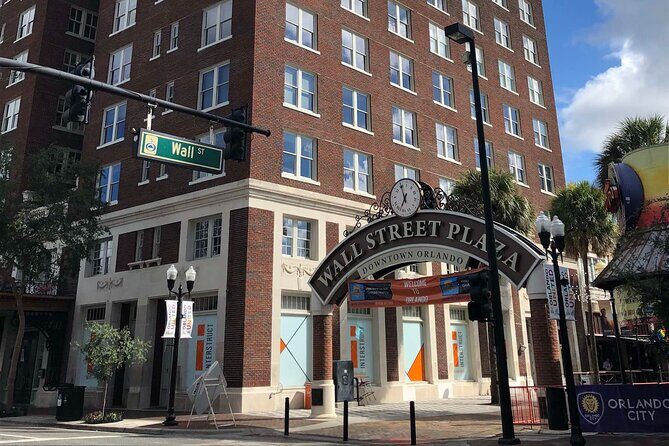
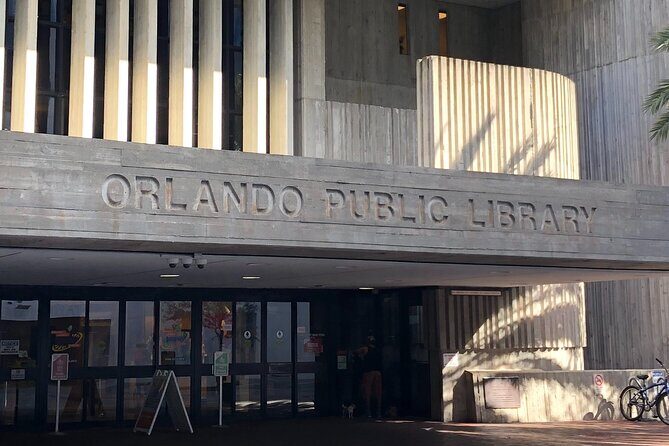
The tour begins outside the Orlando Public Library (101 E Central Blvd, Orlando, FL 32801). That’s a smart anchoring choice. Libraries are easy to locate, and they’re usually the kind of place where you can quickly orient yourself before you start walking.
You’ll hear a bit of history right away, plus a quick explanation of how the VoiceMap app works and who created the tour. That matters because audio tours fail when you don’t understand the trigger system. The app setup is part of the experience, not an afterthought.
Tip for smooth starts: give yourself a few minutes at the library to get the app running and confirm your audio is ready. One review specifically flagged that the app can take a moment to figure out, especially if you’re not super tech-comfy.
Stop One to Stop Four: Rosalind Club and the Lake Eola Section
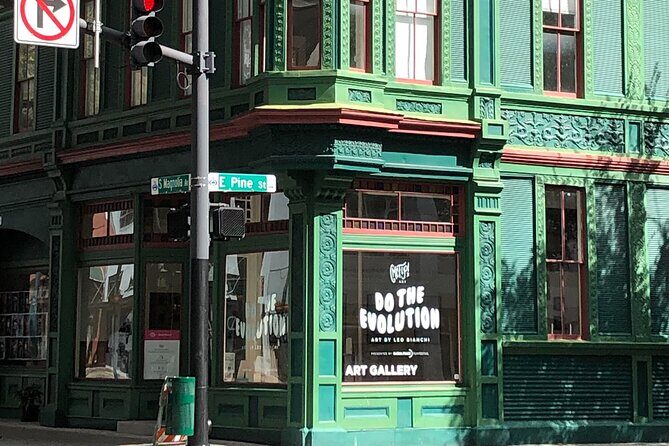
After the library, the route passes by the Rosalind Club. As you walk, you’ll hear the story tied to that location. This is one of those “you’re seeing it right now, but the audio gives context” moments—exactly what makes self-guided audio useful.
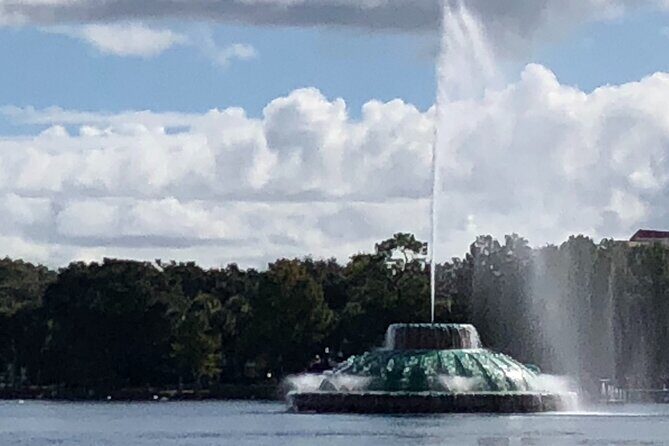
Next comes a smaller slice of Lake Eola Park. Then you continue to Lake Eola itself. The park-and-lake pairing is a practical design choice: it naturally breaks the walk into segments. You can slow down near the water, listen carefully, and take in a change of scenery without feeling like you’re stuck in an endless street grid.
Even if you already know Lake Eola exists, the payoff here is the narration. You’re not just looking at a landmark; you’re learning what the tour wants you to notice as you move.
If you’re the type who likes photos, this is where you can pause without derailing the schedule. Just remember: the tour is built around walking. If you stop too long, you’ll feel rushed later when you’re trying to catch the remaining stops.
St. Luke’s Cathedral and the Angebilt Hotel: The Route Gets More Architectural
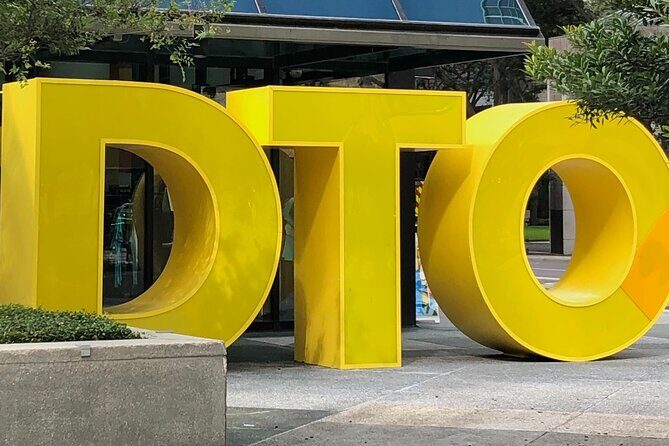
The tour continues past the Cathedral of St. Luke. From a pacing standpoint, this is a good mid-to-late stop. Churches and cathedrals are visually distinct, so it’s easier to orient yourself while you listen.
Then you pass by the Angebilt Hotel. The tour gives you background as you walk by, which is a nice reminder that downtown hotels and civic buildings often carry stories you wouldn’t notice just by looking.
This portion is valuable for two reasons:
First, it gives you variety. A walk that’s only about parks would get repetitive.
Second, it adds a human “everyday history” feel. Places like hotels and religious buildings often connect to community life in ways that aren’t obvious from a quick glance.
One watch-out: downtown sidewalks near major landmarks can get busy. If you need a moment to align yourself with the audio trigger, take it. The point is to stay in the listening zone, not to keep perfect pace.
You can also read our reviews of more historical tours in Orlando






Church Street Station to City Arts and the Rogers Building
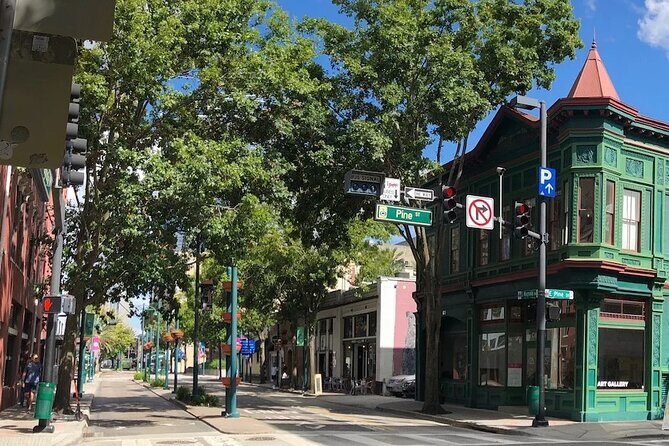
Next up is Church Street Station. The narration continues as you walk, and this is one area where you might want extra attention. One person noted confusion near the old train station area. That’s normal with audio tours because street layouts and nearby streets can look similar on a phone screen.
Here’s how to prevent that frustration:
- Keep your map view available while you walk.
- Don’t rush past the trigger point if the audio doesn’t start right away.
- If you miss a segment, slow down rather than doubling back blindly.
From there, the route passes City Arts, which is referred to on the tour as the Rogers Building. If you like hearing how locals name and rename spaces, this kind of detail is exactly what makes an audio walk more satisfying than just “seeing buildings.”
This part of the route also acts like a bridge. You move from a transportation-linked landmark into an arts-related building identity, which helps the tour feel like a story with transitions rather than a random list of stops.
The Ending at the Orange County Regional History Center
The tour ends by the Orange County Regional History Center. This is a fitting final stop because it closes the loop: you’ve been learning neighborhood-level stories, and the ending location points you toward broader historical context.
One important practical detail: the experience is listed as ending back at the meeting point, even though the narrated finish is near the history center. In practice, what this means for you is simple—expect to start at the library, follow the audio route through downtown, and finish in the area near the history center while staying aware that the tour package itself shows the start/end as the same general meeting location.
Don’t worry about needing tickets or entry fees at the end. Nothing in the tour description suggests you must buy museum tickets to complete the audio walk. It’s a walk-first experience.
Offline Audio and Geolocation: How to Make GPS Behave
This is where the tour earns real praise. The audio, maps, and geodata can be used offline, so you’re not stuck if your data drops.
Even better, the tour’s location system helps handle typical GPS inaccuracy. Instead of demanding perfect pinpoint accuracy, the audio activates within a broad enough radius around each point. The map shows your location so you can confirm you’re in the right zone.
In plain terms, this means less time staring at your screen thinking, Am I standing in the wrong spot. If you’ve done other phone-based tours that fail the second you turn a corner, this one is designed to be calmer.
If you expect traffic noise, consider using earbuds. One review noted that the phone speaker was fine, but earbuds could help if you’re near vehicles. That’s an easy upgrade if you care about clarity.
Also, if you’re new to audio-tour apps, try doing a quick app check at home or at a quiet spot near the start. The biggest delay is usually just figuring out what buttons to press—not the walking itself.
What to Bring (So the Walk Feels Effortless)
The tour includes VoiceMap and offline access, but it does not include your phone or headphones. So plan like this:
Bring:
- A charged smartphone with the VoiceMap app installed (iOS or Android)
- Headphones or earbuds if you want better audio focus
- A comfortable pair of walking shoes
Leave for later:
- Museum tickets or paid attractions. The tour is designed to be completed as a walking audio experience without built-in entry costs.
- Food and drink are not included. Plan a meal stop after, especially since you’ll likely pass by downtown restaurants and storefronts as you move.
You should also expect some walking in a city environment. This is listed as suitable for most travelers, but you’ll still want to go at a pace that matches your comfort.
Who This Audio Walk Is Best For
This tour is a great fit if you want structure without group hassles. I think it’s especially good for:
- People who like history but don’t want a classroom lecture
- Travelers short on time (like an Orlando layover), because the duration is manageable
- Anyone who prefers to walk at their own pace and stop when something catches their eye
- Visitors who want an easy way to learn downtown landmarks in one pass
If you hate phone-based navigation or don’t want to deal with app setup at all, you may find it frustrating. But if you’re okay spending a few minutes learning the app at the start, this is the kind of tour that feels smooth.
Quick Scheduling Reality: 1 to 1.5 Hours, Any Time Window
The tour is available throughout a broad daily time range in the listed hours. That flexibility helps because you’re not tied to a specific guided departure time.
Practically, you’ll want to start when you can comfortably walk and listen without feeling rushed. If it’s very busy outside, you’ll still be able to hear the audio, but you may want earbuds and a slower pace.
Should You Book This Orlando Historical Highlights Audio Tour?
I’d book it if you want a low-cost, low-stress way to learn downtown Orlando on foot. For $8.99, the value comes from offline reliability, lifetime replay access, and an audio setup designed to reduce GPS frustration. It’s also a smart choice when you’re mixing sightseeing plans because you can treat it like a focused walk rather than a full-day tour.
Skip it if you strongly prefer in-person guides, or if you don’t want to use your phone for audio triggers. Since smartphones and headphones aren’t included, you’ll need to come prepared. And if app setup frustrates you, plan a few minutes to test everything at the library start point.
If you’re on the fence: try it once. Worst case, you’ll get a nice downtown walk out of it. Best case, you’ll come back and replay it later thanks to the lifetime access.
FAQ
How long is this self-guided audio tour?
It typically takes about 1 hour to 1 hour 30 minutes.
Where does the tour start and end?
It starts outside the Orlando Public Library (101 E Central Blvd, Orlando, FL 32801). The experience finishes near the Orange County Regional History Center, and the activity is listed as ending back at the meeting point area.
Do I need internet to use the tour?
No. The tour includes offline access so you can use the audio, maps, and geodata without a phone connection.
Is this tour available on iPhone and Android?
Yes. It’s offered in English with apps available for iOS and Android.
What’s included in the price?
You get lifetime access to the tour in English plus the VoiceMap app. The audio, maps, and geodata are available offline.
Can I get a refund or change my booking if plans change?
No. This experience is non-refundable and cannot be changed for any reason.