REVIEW · ORLANDO
Bill Drill: All-Ages Tactical Adventure in Orlando
Book on Viator →Operated by Decision Tactical · Bookable on Viator
A tactical game that trains your brain fast. Bill Drill in Orlando turns a 2-hour session into a guided set of real-feeling scenarios, using non-lethal, recoil-simulated gear across six mission-style challenges. I like that it pushes you to make choices, move, and communicate under pressure. I also like that the feedback and scoring help you see what worked instead of just “doing stuff.” One possible drawback: the scenarios include tense themes like home invasion and street/diner shootouts, so it can feel stressful if you hate high-pressure games.
What makes this outing especially worth planning is the combination of instructor coaching plus dynamic “what would you do next” decision-making. If you book, you’ll likely meet an instructor who sets the tone right away, with names like Jacob, Alexander, Cowboy, Matt, Scott, and Captain Buck showing up in the way people describe the experience—clear explanations, lots of hands-on help, and a friendly vibe that keeps first-timers comfortable.
In This Review
- Key Things You’ll Notice Right Away
- Bill Drill in Orlando: A Mission Format, Not a Standstill Range
- The Six Scenarios You’ll Run (And What Skills Each One Builds)
- 1) Simulated Range: Getting Your Bearings
- 2) Survival Tactics: Move Smarter Under Pressure
- 3) Competition Course: Speed With Control
- 4) Home Invasion: The Scenario That Makes You Think
- 5) Street/Diner Shootout: Realistic-Feeling Chaos Without Live Ammo
- 6) The Immersive Mall Mission: The Big Wrap-Up Challenge
- Safety First: What Non-Lethal Means Here (and Why It Matters)
- The Instructor Difference: Clear Coaching and Real Feedback
- How the Pricing Works for Value: $99 for Two Hours of Guided Practice
- Where the Session Ends: Scores, Food, and a Normal Human Reset
- Who Should Book This Bill Drill Session (and Who Might Skip It)
- Practical Tips Before You Go
- Should You Book Bill Drill in Orlando?
- FAQ
- How long is the Bill Drill session?
- What scenarios are included?
- Is it real ammunition or VR?
- Is this experience for all ages, and can most people participate?
- What is the group size limit?
- Do you get feedback or scoring?
- Where is the meeting point?
- Are service animals allowed?
Key Things You’ll Notice Right Away
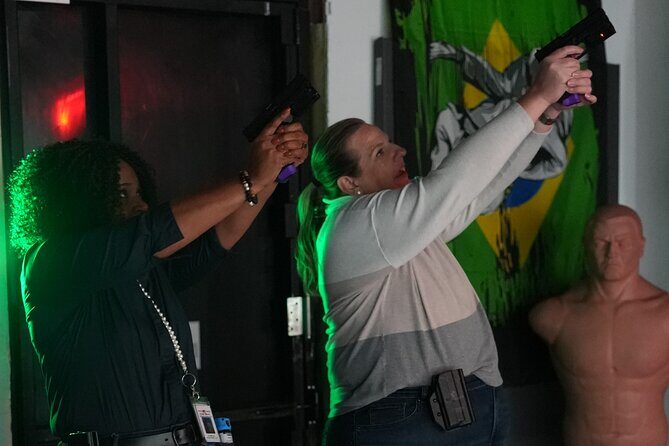
- Six scenario missions that include Simulated Range, Survival tactics, Competition Course, Home Invasion, Street/Diner Shootout, and the full Mall mission
- Non-lethal training gear with recoil simulation, plus instruction that keeps it safe and structured
- Move, take cover, and make decisions instead of standing still like a typical range
- Scoring and debriefing energy that turns the session into a challenge, not just a walkthrough
- Small groups (max 8) that help you get real coaching during the action
- Wrap-up at the Decision Tactical Sports Bar & Grill to review scores and grab food
Bill Drill in Orlando: A Mission Format, Not a Standstill Range
Bill Drill is held in the Orlando area, with the start location in Sanford at Decision Tactical, 430 Towne Center Cir Suite A, Sanford, FL 32771. The session runs about 2 hours and is designed for all ages, with most people able to participate. It’s also small-group by design, capped at 8 travelers, which matters because you’re more likely to get hands-on help instead of being shuffled through.
The core idea is simple: you’re not there just to fire at targets. You’re there to respond to a scenario. That means assessing threats, choosing when to move, finding cover, and following instructions as the environment changes based on your actions. You get instructor guidance the whole time, and the gear is training gear—no live ammo and no VR—so you can focus on skills and decisions without the “real-world” risk.
You can also read our reviews of more tours and experiences in Orlando.



The Six Scenarios You’ll Run (And What Skills Each One Builds)
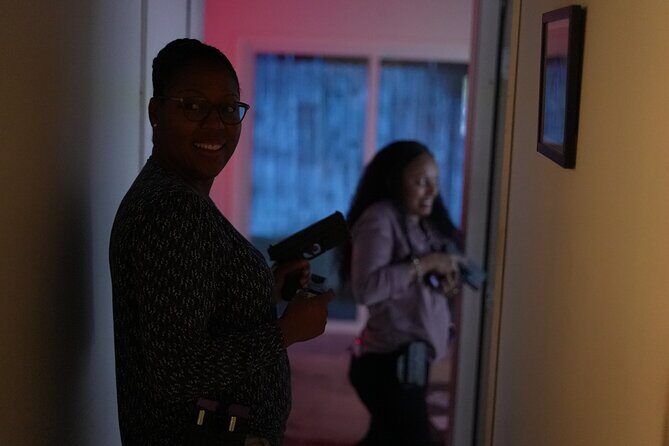
You’ll go through six scenario-style challenges. The best way to think of them is as skill drills that escalate into a bigger mission. Even if you have never done anything tactical before, the structure helps you build confidence step by step.
1) Simulated Range: Getting Your Bearings
The session starts in the Simulated Range. This is your foundation. You practice basic control and the physical routine of moving through the space, rather than treating the activity like one long stress test from minute one.
Why it helps: many first-timers freeze when the scenario gets chaotic. This part gives you something practical to rely on later—comfort with the basics so you can spend your energy on decisions when it matters.
2) Survival Tactics: Move Smarter Under Pressure
Next comes Survival tactics. This is where you learn to react instead of “plan perfectly.” You’re pushed to think about threat angles, positioning, and how to keep moving in a way that doesn’t leave you exposed.
The value here is confidence. If you’re the type who wants control, you’ll probably feel challenged because pressure is part of the design. But the instructor guidance keeps it from turning into guesswork.
3) Competition Course: Speed With Control
Then you’ll run the Competition Course. This segment adds a “do it well and do it fast” vibe. It’s not just about trying to go quickly; it’s about maintaining control while you’re moving and reacting.
This is one of the places where teamwork and communication really start to matter. If you’re going with family or friends, it becomes a shared problem-solving task.






4) Home Invasion: The Scenario That Makes You Think
The Home Invasion scenario is built to feel overwhelming in a controlled way. You’ll face a situation that forces you to assess threats and react instead of assuming the next moment will be calm.
One practical consideration: if you’re sensitive to tense themes, this segment may hit harder than the more “course-like” drills. You can still participate, but it’s good to know the emotional tone is part of the training design.
5) Street/Diner Shootout: Realistic-Feeling Chaos Without Live Ammo
After that, you’ll move into the Street/Diner Shootout. The setting pushes you to think in a more irregular way—more uncertainty, more movement, more moments where you have to keep your head while the scenario demands action.
A standout detail from the way people describe the experience is that you’re not stuck doing silent target shooting. You may be asked to shout commands like drop the gun, which changes the rhythm from “shoot and hope” to “communicate and coordinate.”
6) The Immersive Mall Mission: The Big Wrap-Up Challenge
Finally, there’s the full Mall mission. This is the capstone: the scenarios feel larger, the pressure is higher, and your earlier skills get combined into one longer challenge.
This is the part that tends to stick with people. The point isn’t to “win.” The point is to see how your decisions hold up when things get busy and the environment responds to what you do.
Safety First: What Non-Lethal Means Here (and Why It Matters)
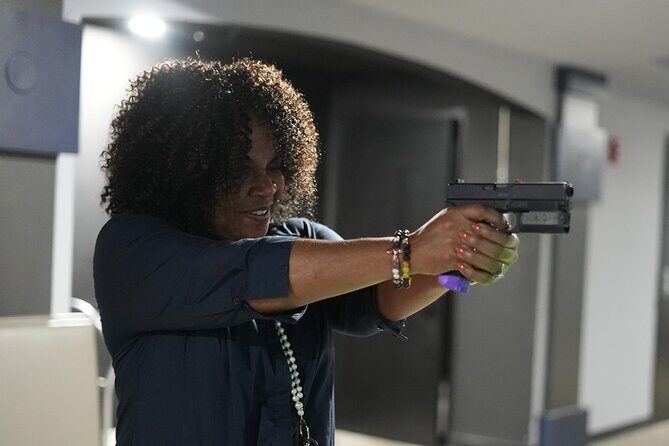
A big reason people feel comfortable at Bill Drill is the safety setup. The session uses non-lethal, recoil-simulated training gear. There’s no live ammo, and the program is instructor-guided throughout.
No VR is also a big deal. VR training can be cool, but it can also feel detached from real body movement. Here, you’re expected to move, take cover, and act like you’re inside the scenario. That physical engagement is a major reason the training feels meaningful while still staying safe.
One more practical point: you’re not left guessing on day-of. Instructors explain what to do clearly, and people specifically call out the value of good instruction. You’ll likely hear a calm, step-by-step approach from the moment you arrive, with names like Alexander, Matt, Cowboy, and Jacob coming up repeatedly for clear guidance and a friendly tone.
The Instructor Difference: Clear Coaching and Real Feedback
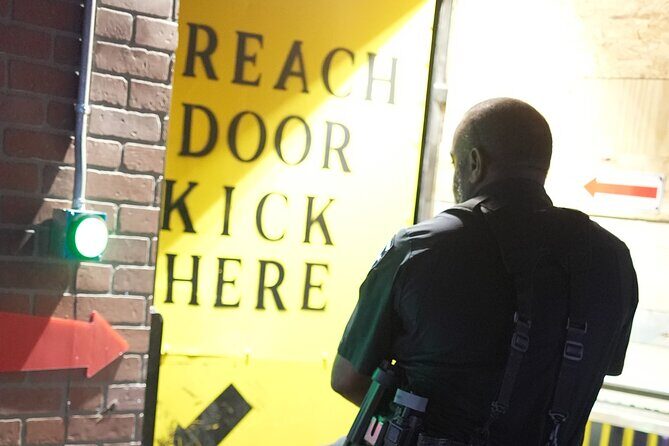
The experience isn’t just scenarios on a screen or a walkthrough with no interaction. It’s coached training with scoring and feedback. That makes the whole thing more than entertainment.
People often mention two things about instructors:
- They explain the scenarios clearly before you start each segment.
- They keep it practical, so you know what to improve next.
You’ll see different instructor personalities, but the theme is consistent: people like Jacob describe the experience as thorough and professional, while others highlight Alexander for clear explanations and a helpful, hands-on style. Cowboy is mentioned as a great host who shares tips throughout, and Captain Buck is described as informative and engaging, especially for mixed skill levels.
Also, this is where teamwork comes in. A tactical scenario is harder when you’re acting alone. Even if you’re traveling solo, the structure tends to push you to coordinate—so going with a group of friends or family can be a big plus.
How the Pricing Works for Value: $99 for Two Hours of Guided Practice
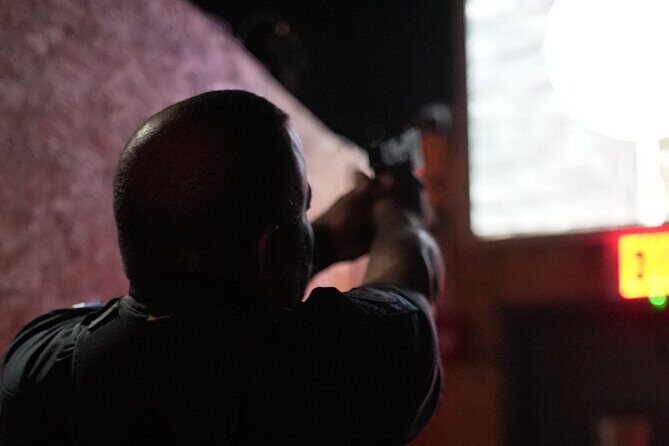
At $99 per person for about 2 hours, Bill Drill is not “cheap,” but it’s also not trying to be a generic attraction ticket. The value comes from what you’re getting: instruction, multiple scenario runs, scoring, and a physical training style that asks you to do more than watch.
The small group cap of 8 travelers helps justify the price. If it were packed, you’d spend more time waiting. Here, you’re more likely to get coaching and quick adjustments during your session.
One practical way to decide if it’s worth it for you: think about what you want to leave with. If you want a one-and-done photo op, this isn’t that. If you want a safe, guided way to experience pressure, decision-making, and teamwork, it’s built for that.
Where the Session Ends: Scores, Food, and a Normal Human Reset
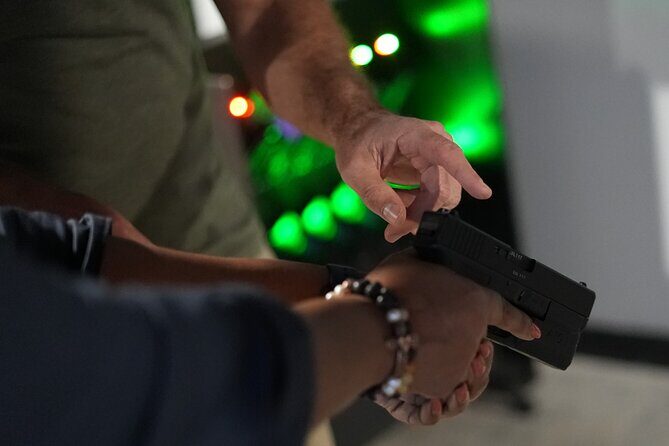
Bill Drill ends back at the meeting point, and it also wraps up at the Decision Tactical Sports Bar & Grill. The idea is that after you finish the mission, you can grab a bite, review your scores, and talk through what happened while it’s still fresh.
That matters more than it sounds. When training-style activities end abruptly, you never process what you learned. Here, you get a chance to reflect and compare performance—especially if you came with a group.
If you want something low-stress after the adrenaline, this is a nice bridge back to normal travel mode.
Who Should Book This Bill Drill Session (and Who Might Skip It)

This works best for:
- People who like hands-on challenges and want to practice skills in a safe environment
- Groups where you want a shared activity with coaching and scoring
- Families looking for an all-ages activity that doesn’t feel like a typical arcade or movie
- Visitors who want something outside the usual theme-park pattern in Orlando
It might not be ideal if:
- You dislike tense, tactical story themes like home invasion or street/diner shootouts
- You want a quiet, purely educational experience with no pressure elements
- You’re uncomfortable with the idea of moving, taking cover, and speaking commands during the scenarios
Practical Tips Before You Go
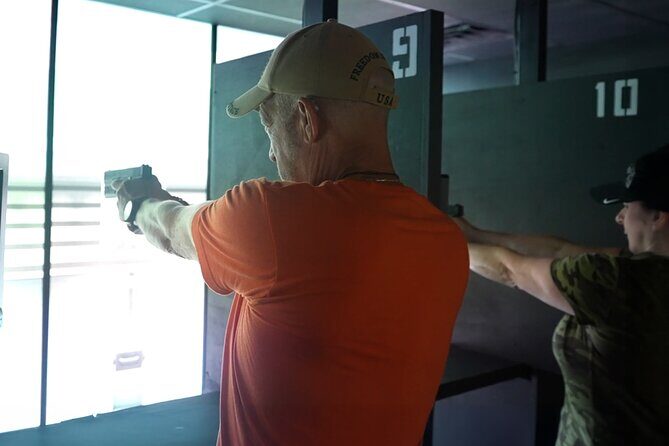
Based on how people describe the experience, a little preparation goes a long way.
- Wear comfortable clothes you can move in. You’ll be expected to shift position and react quickly.
- Bring a curious mindset. The session works best when you treat it like training, not a test you already know how to pass.
- If you’re new, pay attention during instruction. Clear explanations are a big part of what makes the session feel safe and fun.
- Plan for a challenge. Even with non-lethal gear, the scenario pressure is real in feel.
If you need flexibility, free cancellation is available up to 24 hours before the start time for a full refund.
Should You Book Bill Drill in Orlando?
I think Bill Drill is a smart booking if you want an active, coached experience that feels like a mission and gives you feedback afterward. The standout ingredients for me are the non-lethal recoil-simulated gear, the mix of six distinct scenarios, and the fact that the session pushes you to move and decide—not just watch.
Book it if you’re traveling with people who’d enjoy teamwork, competition energy, and instructor-led coaching in a safe setting. Skip it if the scenario themes sound too intense for your comfort level.
If you do book, aim to lock in your spot early since it’s commonly scheduled about 22 days in advance on average. And if you can request or match with an instructor you’ve heard great things about—names like Jacob, Alexander, Cowboy, Matt, Scott, or Captain Buck—do it. The experience is at its best when you feel clearly guided from start to finish.
FAQ
How long is the Bill Drill session?
The session lasts about 2 hours.
What scenarios are included?
You’ll run six scenario-style challenges: Simulated Range, Survival tactics, Competition Course, Home Invasion, Street/Diner Shootout, and the full Immersive Mall mission.
Is it real ammunition or VR?
No. The training uses non-lethal, recoil-simulated training gear. There is no live ammo and no VR.
Is this experience for all ages, and can most people participate?
Yes. It’s described as all-ages tactical adventure, and most travelers can participate.
What is the group size limit?
The experience has a maximum of 8 travelers.
Do you get feedback or scoring?
Yes. You receive scoring and feedback as part of the tactical challenge.
Where is the meeting point?
Meet at Decision Tactical, 430 Towne Center Cir Suite A, Sanford, FL 32771, USA. The activity ends back at the meeting point.
Are service animals allowed?
Yes. Service animals are allowed.